Pancit Bihon with Pork Belly & Shrimp: A Filipino Family Favorite
There are some Filipino dishes that don’t need a special occasion to make their way to the table, and Pancit Bihon is one of them.
This is my version—savory bihon noodles with pork belly, shrimp, cabbage, carrots, and green beans, seasoned simply with soy sauce, chicken bouillon, salt, and pepper. A squeeze of lemon brightens everything up, while fresh cilantro adds the finishing touch.
It’s colorful, satisfying, and made for sharing—a simple Filipino favorite that always feels like home.
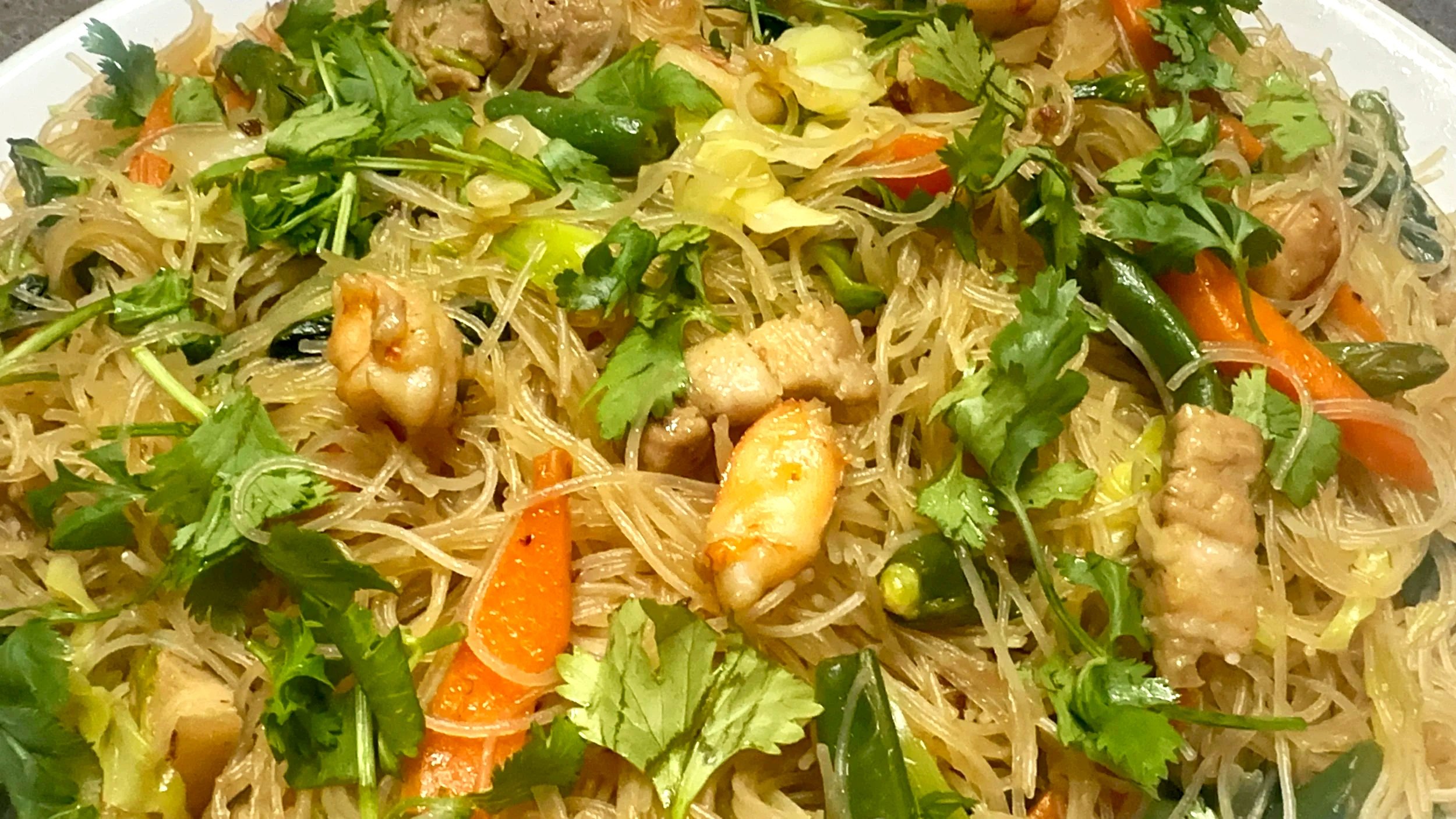
What Is Pancit?
Pancit is a beloved part of Filipino cuisine and refers to a variety of noodle dishes prepared in many different ways. Depending on the type of noodles and the family cooking it, pancit can include pork, chicken, shrimp, vegetables, or a combination of ingredients.
For many Filipino families, pancit is more than an everyday meal. It often appears at birthdays, holidays, family gatherings, and celebrations, where noodles have traditionally been associated with long life and good fortune.
What Is Pancit Bihon?
Pancit Bihon is made with thin rice noodles, also called bihon. The noodles soak up the savory flavors of the broth and seasonings as they cook, making them especially delicious when tossed with meat, seafood, and vegetables.
My version combines pork belly and shrimp with cabbage, carrots, green beans, garlic, and onion. I keep the seasoning simple with soy sauce, chicken bouillon, salt, and pepper, then finish it with fresh cilantro and lemon for a little brightness.
It’s the kind of dish that brings a lot of flavor to one big platter—and, for me, it’s Filipino comfort food meant to be shared.
What You'll Need
Bihon rice noodles
Pork, thinly sliced
Shrimp, peeled and cleaned
Cabbage, sliced
Carrots, sliced
Green beans, cut into pieces
Onion, sliced
Garlic, minced
Fresh cilantro
Soy sauce
Knorr Liquid Seasoning
Chicken bouillon powder
Salt
Black pepper
Lemon juice
Vegetable oil
Water, as needed
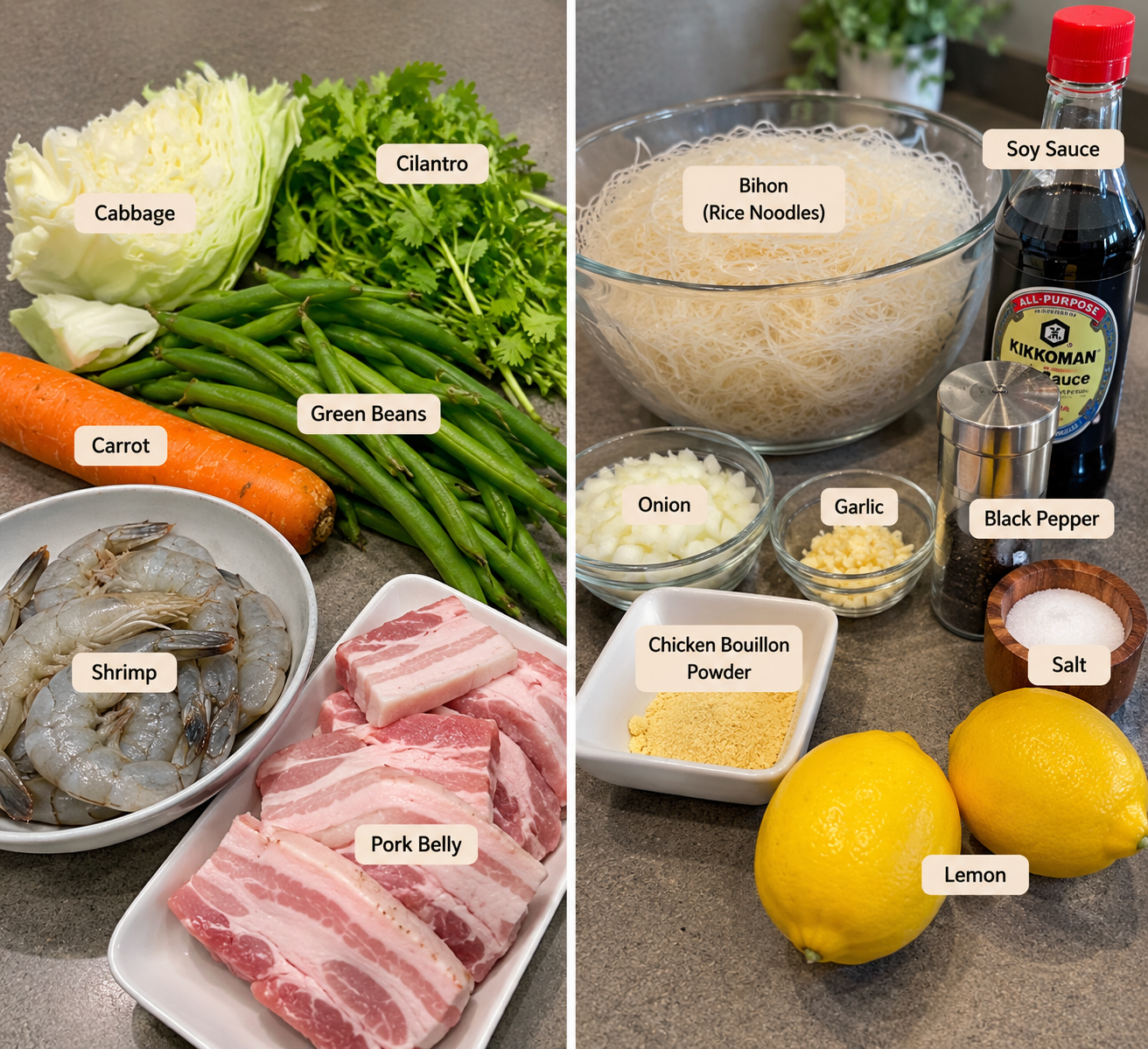
Cook's note: I often season dishes like this by taste rather than measuring every ingredient precisely. Start lightly with the seasonings—you can always add more as the pancit comes together.
How I Make It
1. Prepare the bihon.
Soak the bihon in water just until the noodles become flexible. Drain well and set aside while you prepare everything else.
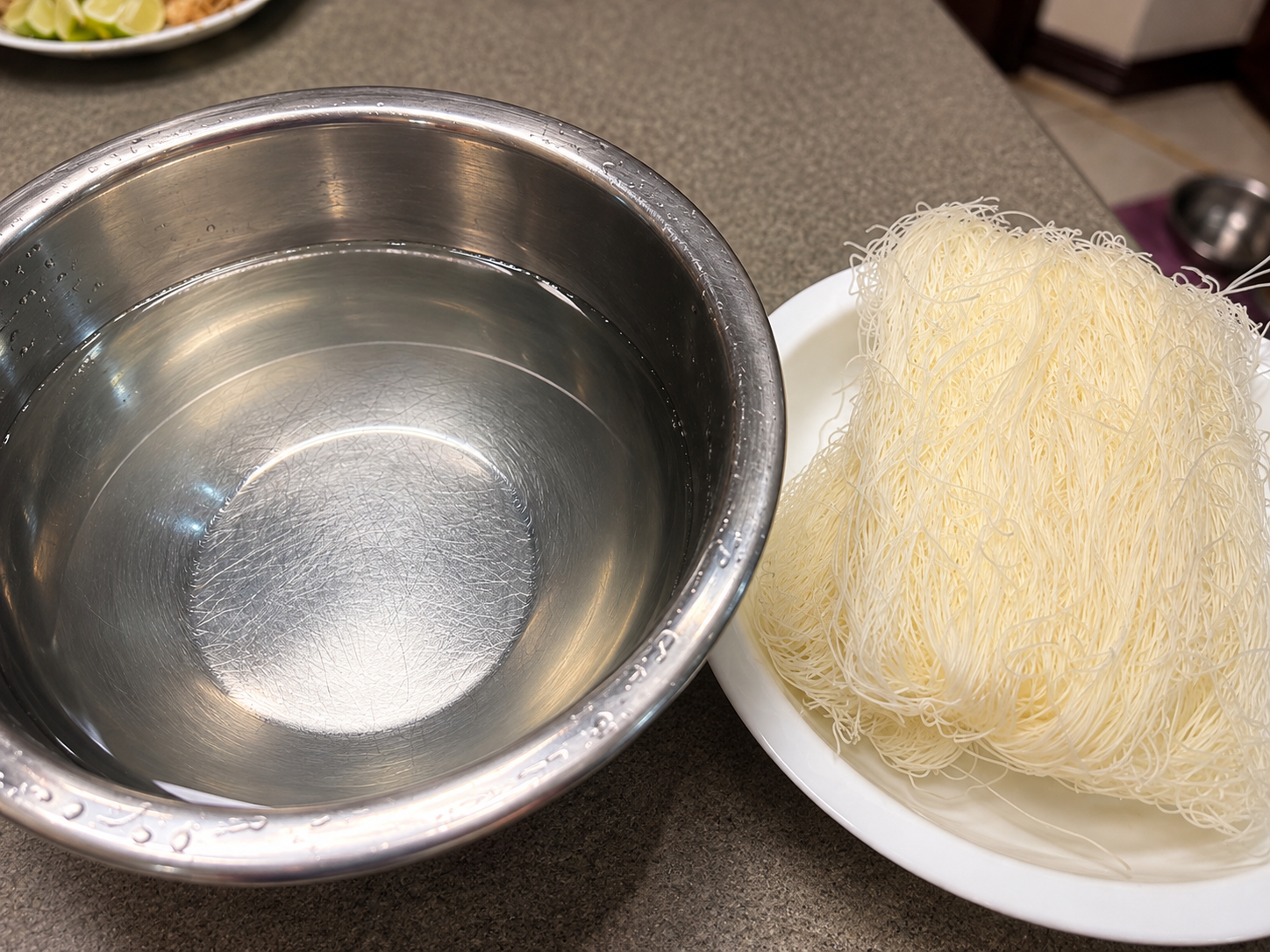
2. Cook the shrimp and pork belly.
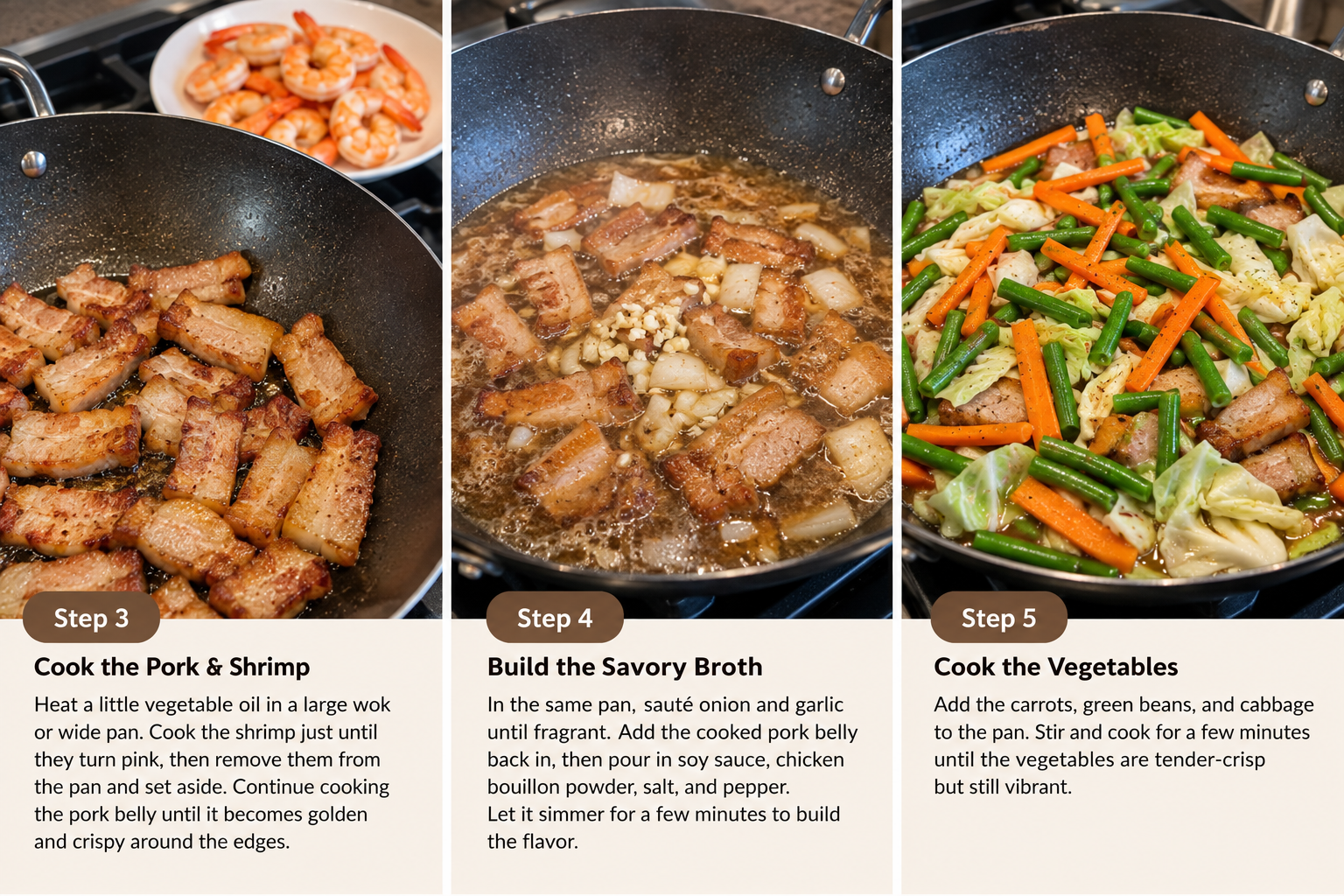
Heat a little vegetable oil in a large wok or wide pan. Cook the shrimp just until they turn pink, then transfer them to a plate and set aside. They’ll be added back toward the end to keep them tender and juicy. Continue cooking the pork belly until it becomes golden and crispy around the edges.
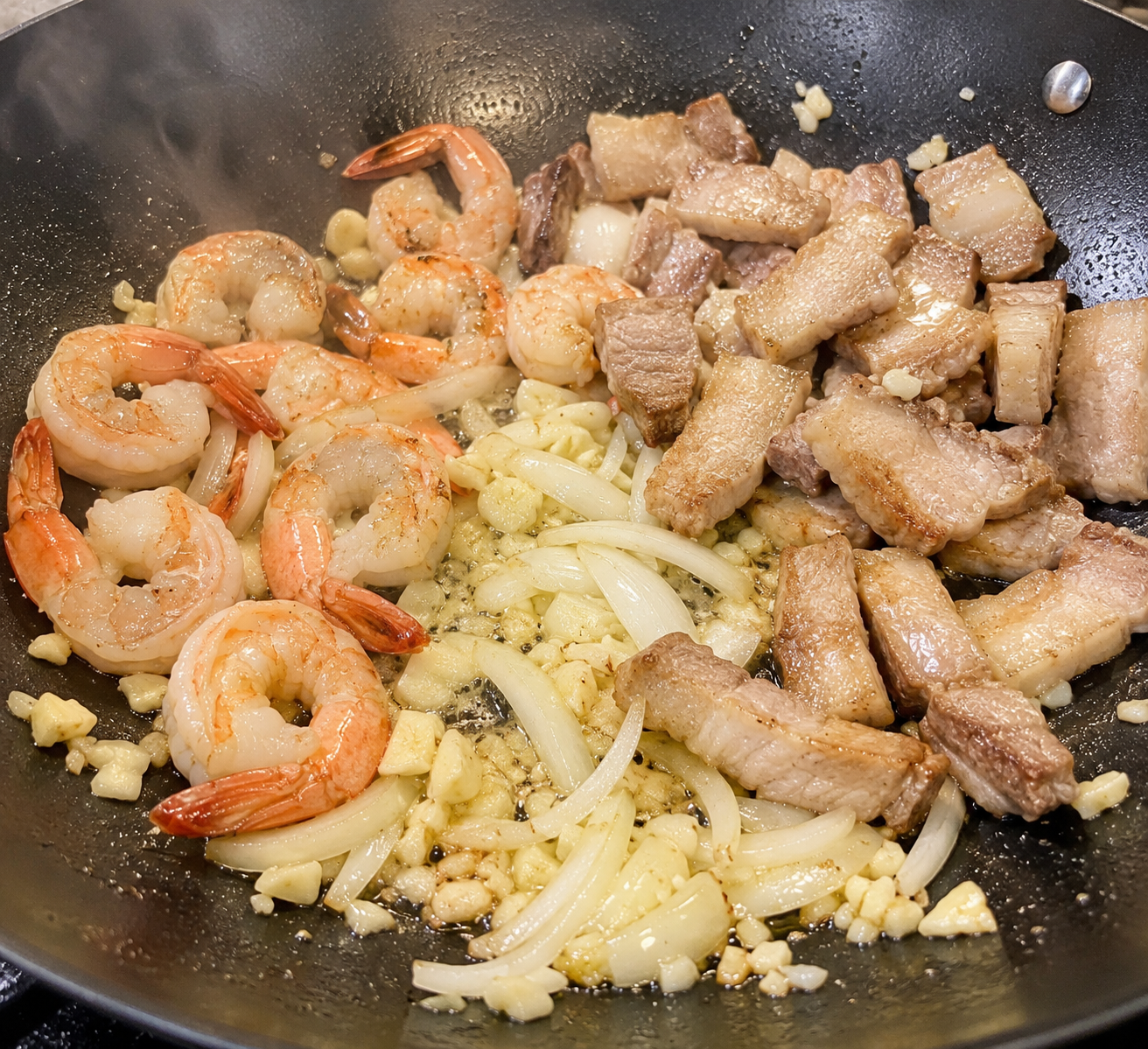
3. Build the savory base.
Using the same pan, sauté the garlic and onion until fragrant. Add the pork and cook until lightly browned and cooked through.
4. Season and simmer.
Add soy sauce, Knorr Liquid Seasoning, chicken bouillon powder, black pepper, and enough water to create a flavorful broth. Let the pork simmer in the seasoned liquid so all those flavors have time to come together.
5. Add the vegetables.
Add the carrots and green beans first, followed by the cabbage. Toss and cook until the vegetables are tender but still have a little bite.
This is where that unmistakable savory, spicy belachan flavor starts coming together.
6. Make room for the noodles.
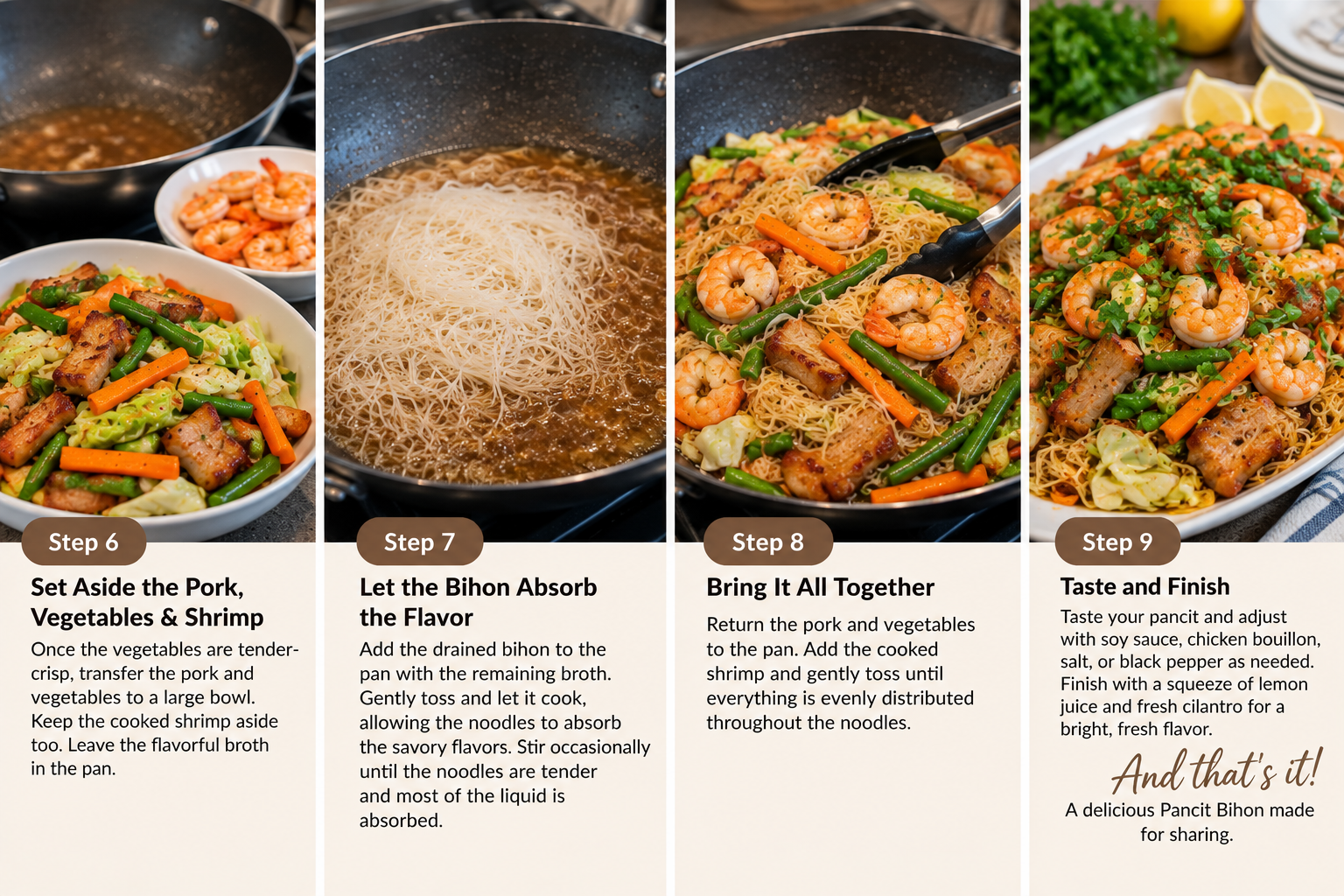
Temporarily remove the pork and vegetables while leaving the seasoned broth in the pan.
7. Let the bihon absorb the flavor.
Add the drained bihon to the broth. Gently toss the noodles as they soften and soak up the savory liquid. If they need additional moisture, add a little water at a time rather than pouring in too much at once.
8. Bring it all together.
Return the pork and vegetables to the pan. Add the cooked shrimp and gently toss until everything is evenly distributed throughout the noodles.
9. Taste and finish.
Taste your pancit and adjust with soy sauce, Knorr Liquid Seasoning, salt, or black pepper as needed. Finish with lemon juice to add a little brightness to all those savory flavors.
The firmer stalks go in first so they have a little extra time to cook.
Emie’s Kitchen Tip: Don’t Over-Soak the Bihon
Soak the bihon only until the noodles are pliable and easy to separate—not completely soft. Drain them well once they’re flexible.
Remember, the noodles aren’t finished cooking yet. They’ll continue to soften when they go into the pan and absorb the flavorful broth. Over-soaking them beforehand can leave you with mushy noodles that break apart when tossed instead of the light, separate strands we want in Pancit Bihon.
My rule: Soften them in the soak; finish them in the broth.
Ready to Serve
Transfer the Pancit Bihon to a big serving platter and finish with fresh cilantro. I like serving it with lemon wedges on the side so everyone can add another squeeze if they like.
PHOTO: Use the beautiful close-up serving with the shrimp and citrus here.
And that's it—Pancit Bihon with pork and shrimp, made the way I enjoy serving it at home.
Simple ingredients, plenty of flavor, and a big platter meant to be shared. ❤️
A Little Taste of Home
Food has a wonderful way of carrying memories. Pancit is one of those dishes that immediately feels familiar—a Filipino favorite that can turn an ordinary meal into something that feels a little more special.
And, of course, a big platter of pancit rarely lasts very long in our house. 😊
Travel • Taste • Believe • Cherish
When a Flavor Stays With You
One of the things I love about food is how a single flavor can hold a memory.
I first discovered belachan in Singapore. I didn’t come home with a written recipe from that restaurant, and I didn’t immediately start making it myself.
I simply remembered how much I liked it.
Eventually, a craving became an experiment in my own kitchen. And over time, shrimp, tomatoes, kangkung and belachan came together in the version I now make for my family.
That’s one of the reasons I created the Taste Journal.
Not every dish has to come from a special occasion or an elaborate recipe. Sometimes it’s simply something we’ve learned to love, made our own, and continued serving around our family table.
Some flavors stay in our memories. Others find their way into our kitchens.
This one did both. ❤️
Another little footprint from our table.
Shop This Recipe
Want to make this Pancit Bihon with Pork Belly & Shrimp at home? Here are a few pantry staples and kitchen essentials that make preparing this Filipino favorite easier.
Bihon Rice Noodles – thin rice vermicelli that absorbs all that savory broth.
Soy Sauce – for the rich, savory base of the noodles.
Chicken Bouillon Powder – adds depth and flavor to the cooking broth.
Black Pepper – freshly ground if you have it.
Large Wok or Deep Skillet – plenty of room for tossing the bihon without breaking the noodles.
Kitchen Tongs – helpful for gently lifting and tossing the noodles as they absorb the broth.
Large Serving Platter – because pancit is even better served family-style. 🇵🇭
Affiliate note: Some links may be affiliate links. If you purchase through them, I may earn a small commission at no additional cost to you. Thank you for supporting Faithful Footprints Journey.
Faithful Footprints Journey
Travel • Taste • Believe • Cherish
