Chichen Itza: Our First Wonder of the World
A Dream Come True
There are places you visit because they're popular, and then there are places you've dreamed of seeing for years.
For as long as I can remember, visiting the New Seven Wonders of the World has been on my bucket list. When our family started planning a vacation to Cancun, Mexico, I discovered that Chichen Itza was just a day trip away. I couldn't believe one of the world's most iconic landmarks was so close. The excitement of turning a lifelong dream into reality made this trip even more special.
The Journey to Our First Wonder
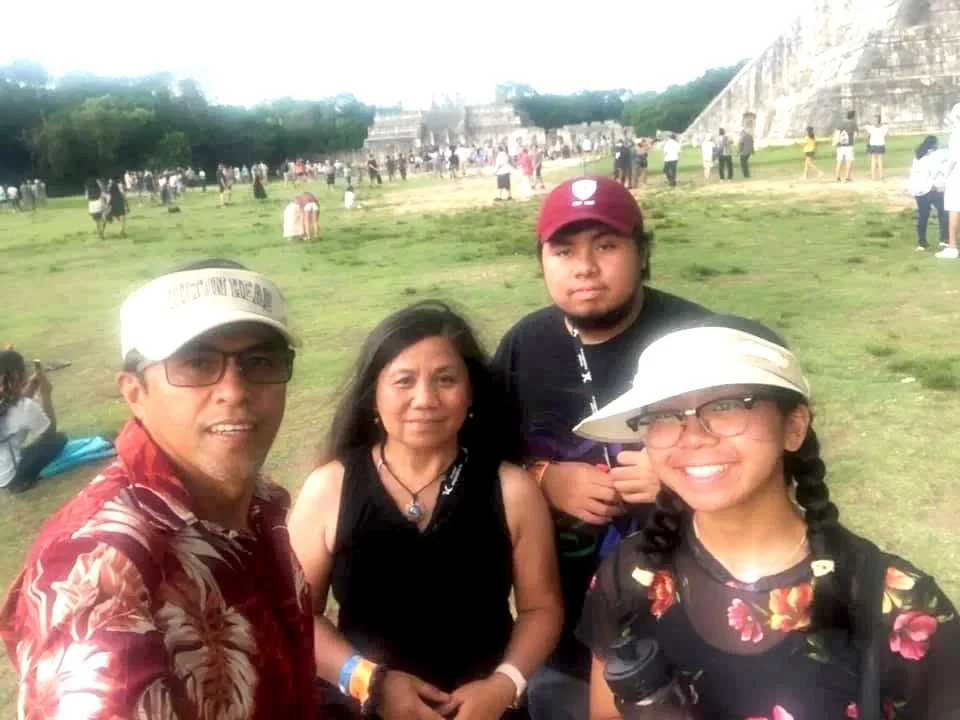
Day 4 of our Cancún family vacation was finally here—our trip to Chichén Itzá.
What began as a family getaway celebrating three July birthdays was about to become something even more memorable: the day our family stood together in front of our very first Wonder of the World. ❤️
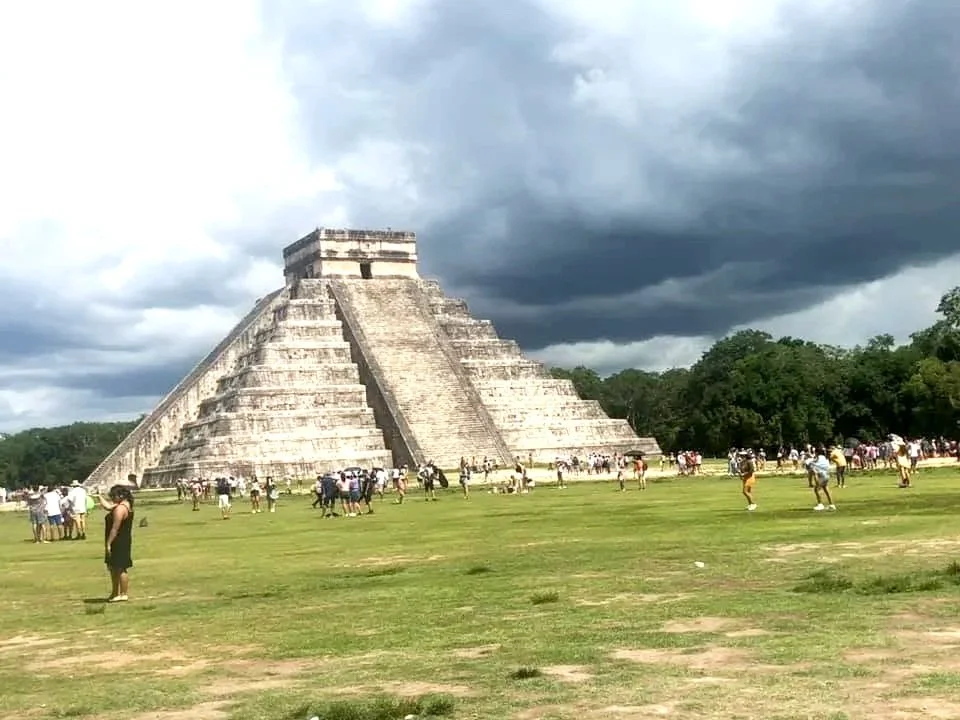
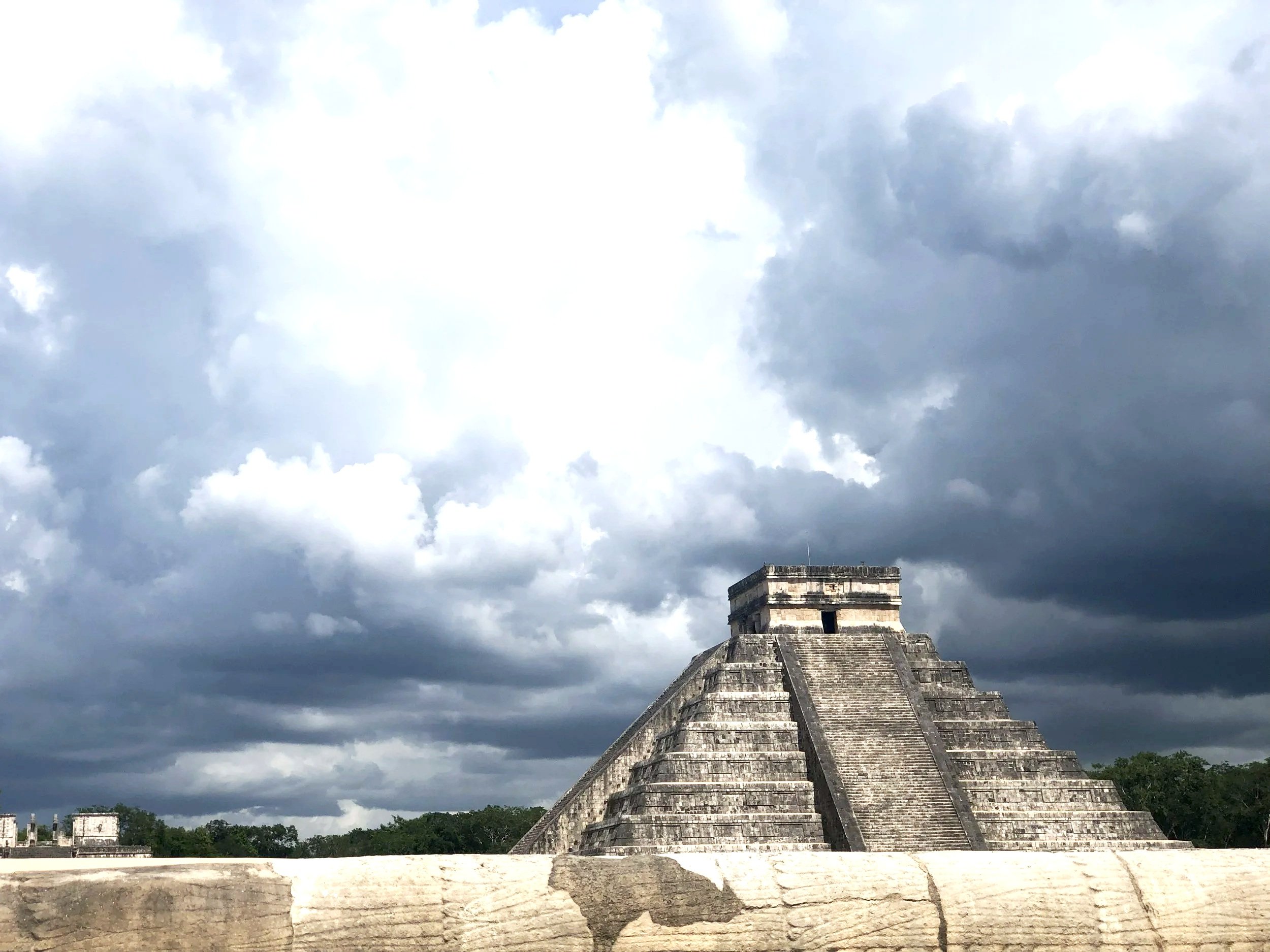
Standing before the magnificent El Castillo pyramid was an unforgettable moment. Knowing that this ancient city was built by the Maya over a thousand years ago filled me with awe and appreciation for the incredible history and engineering behind it.
Looking around at the thousands of visitors from all over the world, I felt incredibly grateful that our family was among them, sharing this once-in-a-lifetime experience together.
Walking Through Maya History
Seeing Chichén Itzá in photographs was one thing. Standing there and seeing it with my own eyes was something completely different.
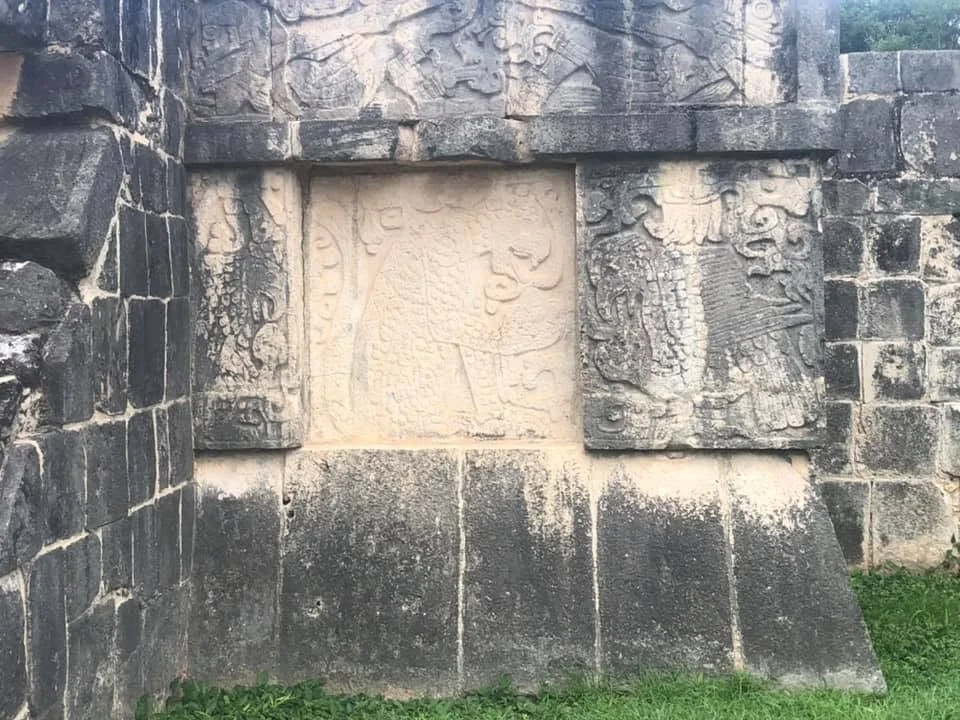
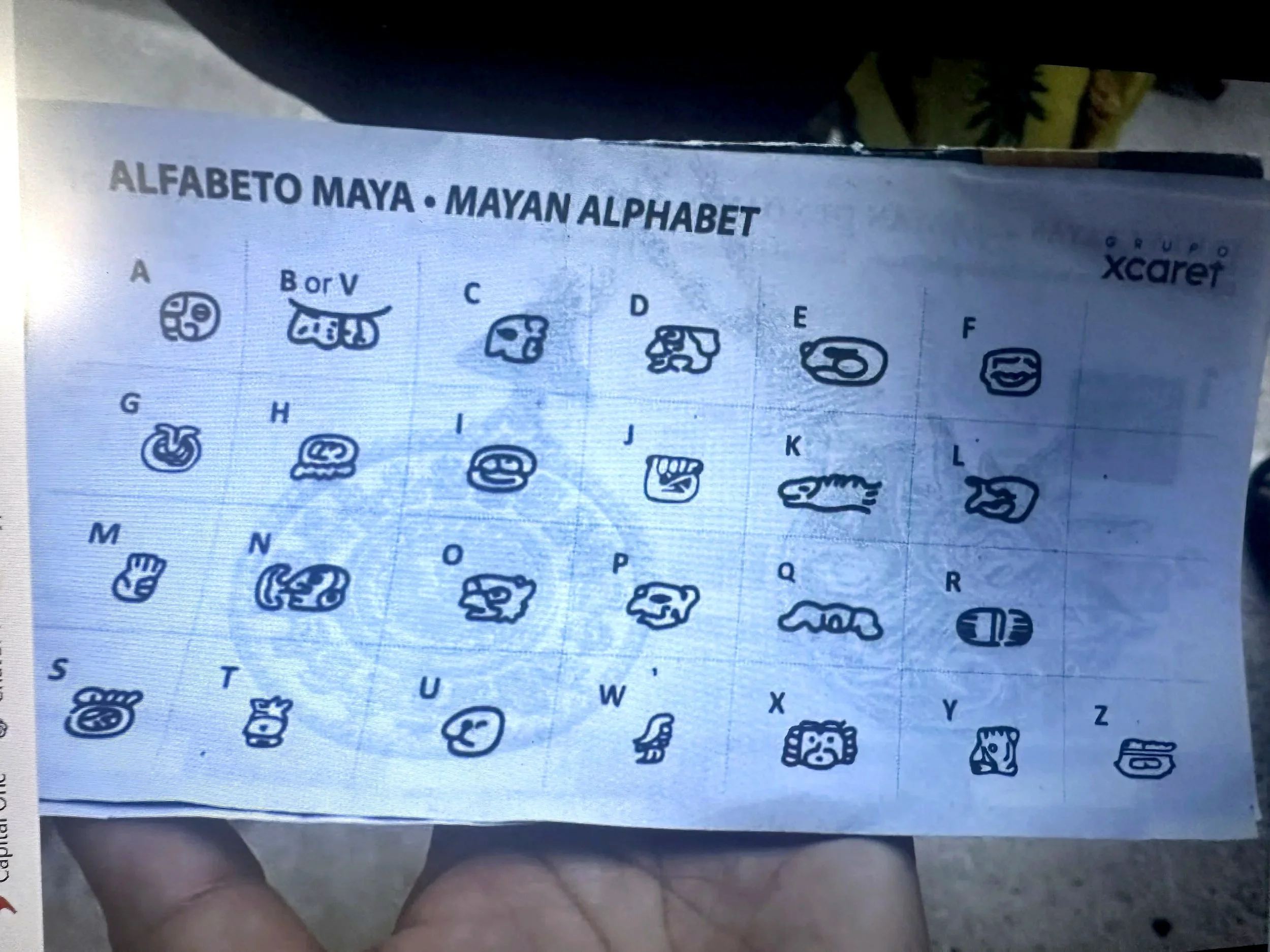
As we walked through the archaeological site, our guide shared stories about the Maya civilization and helped us understand some of the history behind the structures, ruins, façades, carvings and symbols we were seeing. I found myself looking at all those details and imagining the people who had lived, gathered and worshiped there centuries before us.
For a history lover like me, being able to experience a place I had only read about and seen in photographs made the moment even more meaningful. ❤️
But What Makes Chichén Itzá So Extraordinary?
Standing there, I knew Chichén Itzá was ancient and important—but learning more about it made me realize just how much history surrounded us.
Chichén Itzá was not simply a collection of ruins built around one famous pyramid. It developed into one of the great centers of Maya civilization in the Yucatán Peninsula, with a history spanning many centuries. Its architecture also reflects interaction between Maya traditions and influences from central Mexico, creating the distinctive cultural legacy that can still be seen throughout the archaeological site today. Chichén Itzá is now recognized as a UNESCO World Heritage Site.
At the heart of it all stands El Castillo, also known as the Temple of Kukulkán. But El Castillo is much more than an impressive pyramid. Its design reflects ideas about time, astronomy and the Maya understanding of the world. Around the spring and autumn equinoxes, an extraordinary interaction of sunlight and shadow along the northern staircase creates the appearance of a serpent descending the pyramid—a phenomenon associated with Kukulkán, the Feathered Serpent.
And El Castillo is only part of the story.
As we explored farther, we realized that Chichén Itzá was so much more than the famous El Castillo pyramid.
There was the enormous Great Ball Court, where the Maya once played an ancient ball game that was far more meaningful than an ordinary sport. It was woven into their ceremonies, community life, and beliefs. Then there was the Temple of the Warriors, rows and rows of stone columns, and even a round building called El Caracol, believed to have been used to observe the sky and movements of the stars.
That was one of the fascinating things about walking through Chichén Itzá. Everywhere we looked, there seemed to be another clue about how the Maya lived, what they believed, and how much they understood about the world around them.
Suddenly, the carvings, stones and structures around us weren't simply interesting things to photograph. They were pieces of a much larger story.
Our Tour Guide Had a Few Tricks 😂
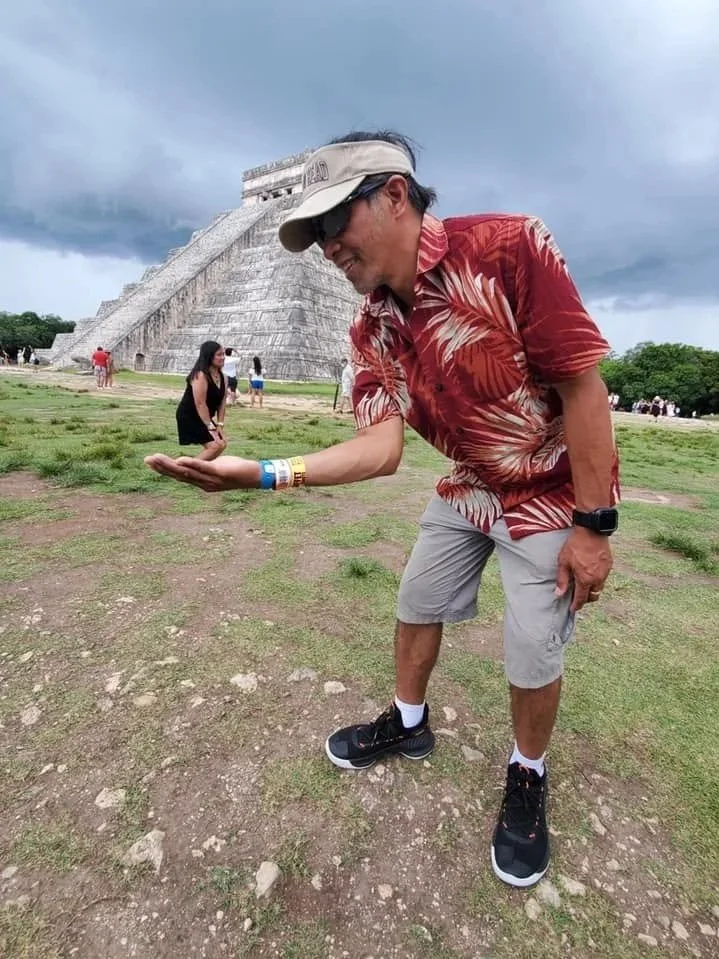
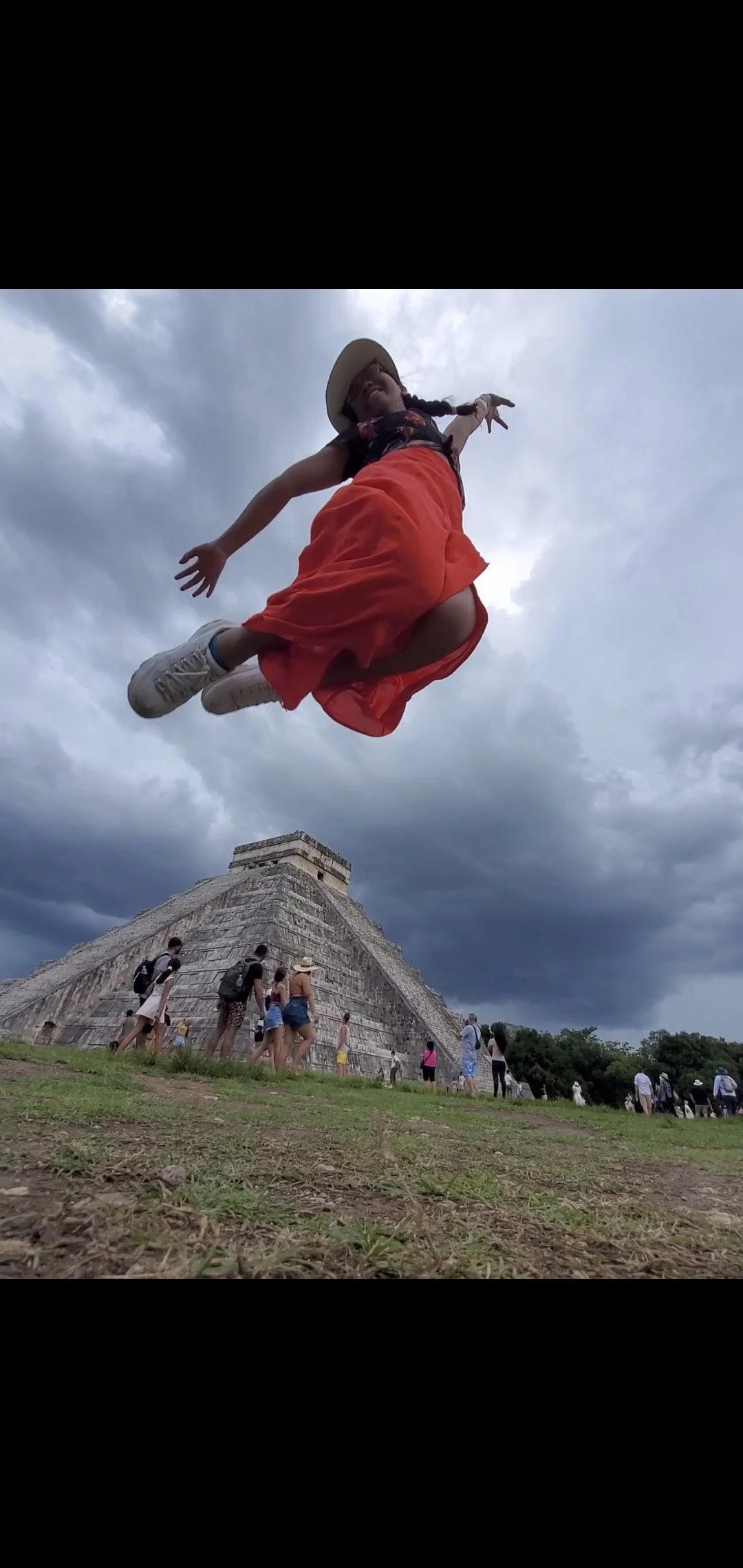
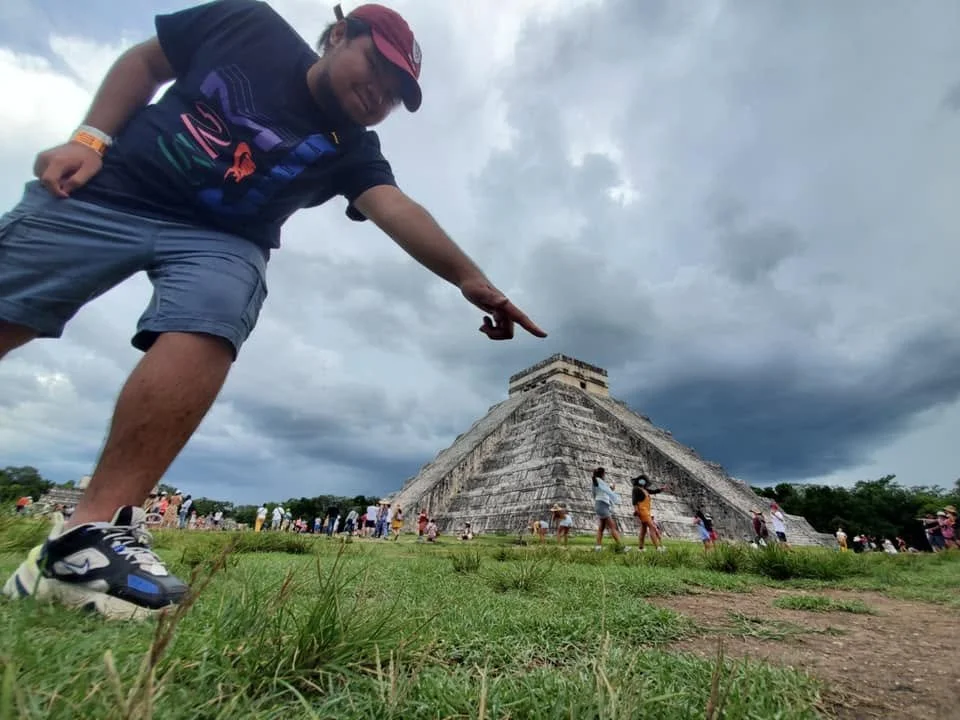
One of the unexpected highlights of our Chichén Itzá experience was our tour guide. He was incredibly knowledgeable about Maya history and culture, but apparently, he had another talent too—travel photography! 😂
He showed us how to position ourselves for some hilarious perspective shots. Suddenly, I was standing in Mark's palm, Adriel was reaching toward Chichén Itzá, and Jael looked like she was jumping right over it! 😂
Those photos ended up becoming some of our favorite memories from the day. They remind me that even while visiting a place filled with centuries of history, there's always room for laughter, silliness, and simply enjoying the moment together as a family. ❤️
From Ancient Stones to the Waters of the Yucatán
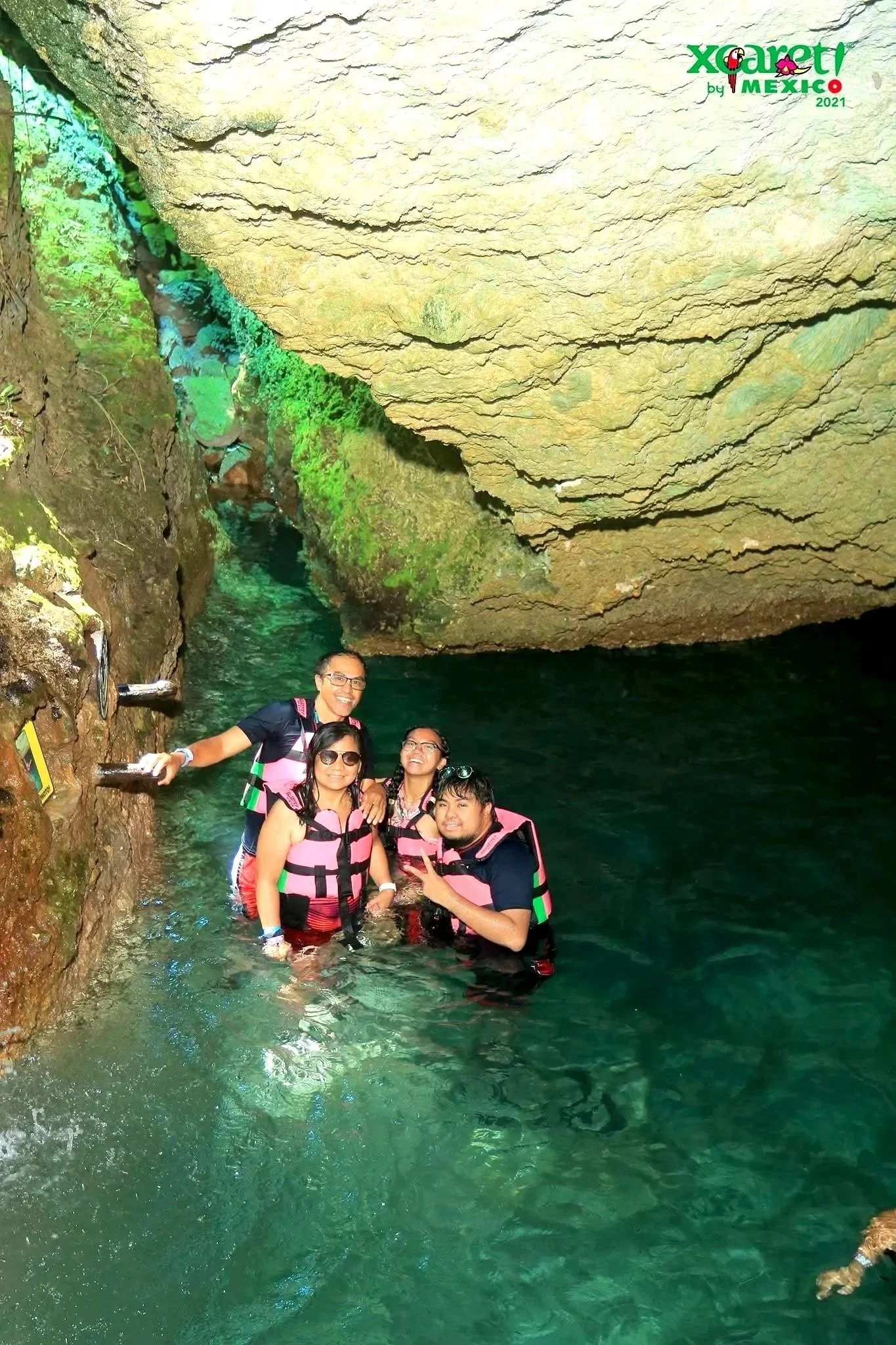
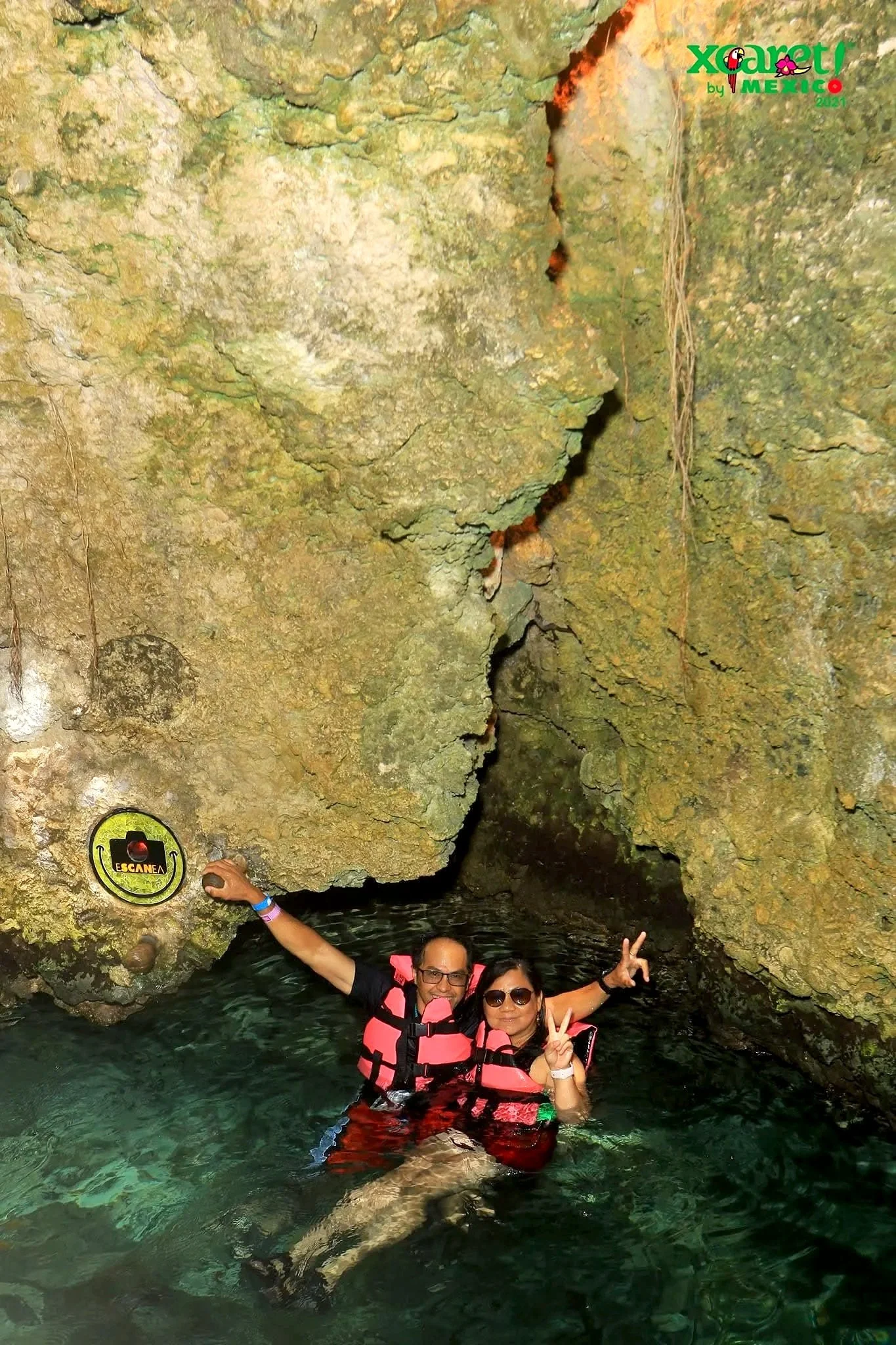
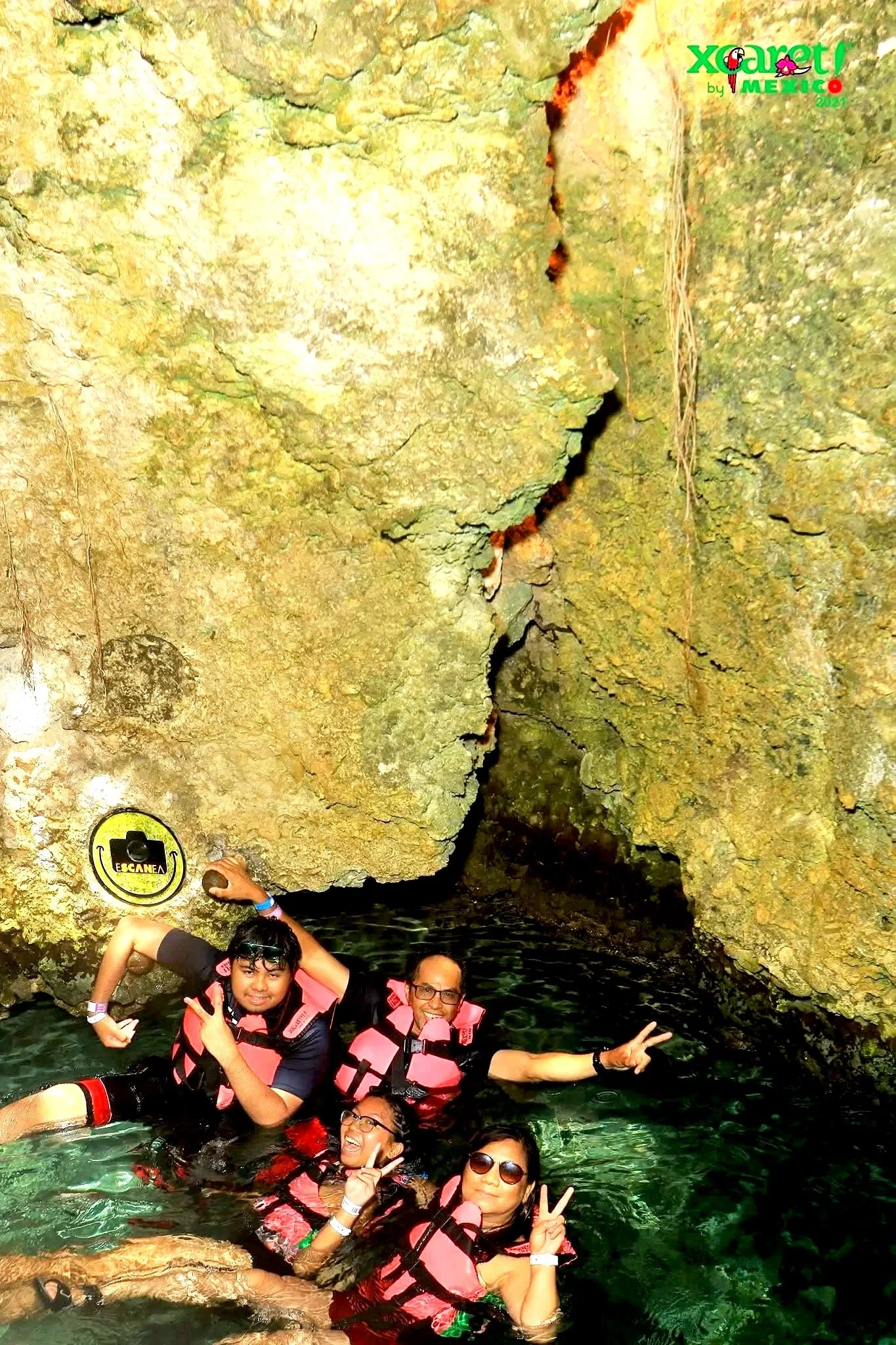
Our experience in the Yucatán didn't end among the ancient stones of Chichén Itzá. We also had the chance to experience another remarkable part of this landscape—swimming in a cenote.
Cenotes are natural openings in the limestone that expose the groundwater below, and thousands are scattered across the Yucatán Peninsula. But to the ancient Maya, these waters were much more than beautiful places to cool off. Cenotes provided important sources of freshwater and also held deep spiritual and ceremonial significance.
That history made the experience feel even more extraordinary. We weren't simply swimming in a beautiful natural pool. We were floating in waters surrounded by limestone walls and an underground landscape that has been part of life in the Yucatán for centuries.
Looking back at our photos, I remember how much fun we had—the kids swimming, all of us in our life jackets, exploring the cool, clear water together. At the time, it was another exciting part of our family adventure. Learning more about cenotes now gives those memories an even deeper meaning.
Our cenote experience deserves a story of its own—and that's another footprint I'll be sharing soon. 👣
About Chichen Itza
Located in Mexico's Yucatán Peninsula, Chichén Itzá is one of the world's most recognized archaeological sites. The ancient city was one of the great centers of Maya civilization and today is both a UNESCO World Heritage Site and one of the New Seven Wonders of the World.
Although El Castillo is its most recognizable structure, Chichén Itzá is an extensive archaeological site filled with temples, ceremonial spaces, columns, carvings and other structures that reveal different chapters of the city's long history..
Planning Your Visit
If you're staying in Cancun or the Riviera Maya, Chichen Itza makes an excellent day trip. We joined a guided tour, which I highly recommend because it included transportation and an experienced guide who explained the history and significance of the site. Having someone tell the stories behind the ruins made the experience far more meaningful than simply walking through them on our own.
Give yourself time to look beyond El Castillo. It's naturally the structure everyone wants to see and photograph first, but some of the most fascinating details of Chichén Itzá are found throughout the surrounding archaeological site.
🎟️ Tickets & What to Know Before You Go
Chichén Itzá can be visited on your own or as part of a guided tour. If you're traveling independently, tickets can be purchased through the official Chichén Itzá/CULTUR ticket system or at the visitor center. I recommend checking the official site shortly before your trip, since admission prices, hours and procedures can change.
The site is currently open daily from 8:00 AM, with the official INAH listing showing last admission at 3:00 PM. I'd still arrive early if you can—the archaeological site is large, and you'll want enough time to explore without rushing.
A few things worth knowing before you go: comfortable walking shoes and sun protection are a must; food isn't permitted inside the archaeological zone; pets and flash photography aren't allowed; and professional cameras may require an additional fee. Lockers, restrooms, parking and guided tours are available on site.
My tip: If this is your first visit, consider a guided tour. Walking among the ruins is impressive on its own, but hearing the stories behind what you're seeing can make the experience much more meaningful.
Then I'd put two useful links immediately underneath:
Official Chichén Itzá Visitor & Ticket Information
Official INAH Chichén Itzá Information
Travel Tips
Visit early in the morning to avoid the hottest part of the day.
Wear comfortable walking shoes.
Bring sunscreen, a hat, and plenty of water.
Don't skip the guided tour—it adds so much to the experience.
Take time to enjoy the fun perspective photos with your family!
Want to Learn More About Chichén Itzá?
There's far more history at Chichén Itzá than I could ever cover in one family travel story. If you're curious to go deeper into its archaeology, architecture and significance, these are two excellent resources:
UNESCO — Pre-Hispanic City of Chichén Itzá
UNESCO's official World Heritage overview explains the city's history, cultural significance and why Chichén Itzá was recognized as a World Heritage Site.
INAH — Chichén Itzá Archaeological Site
Mexico's National Institute of Anthropology and History provides deeper information about El Castillo, Kukulkán, El Caracol and other structures throughout the archaeological site.
👣 A Footprint to Remember
Chichen Itza wasn't just another destination on our travel itinerary. It marked the beginning of a much bigger dream—visiting all of the New Seven Wonders of the World with the people I love most.
It became our first wonder, and with every new adventure, we're reminded that the greatest journeys aren't measured only by the places we visit, but by the memories we create together.
One wonder down. Six more faithful footprints to go. ❤️
At least, that's what I would have written then.
Four years later, in 2025, Mark and I stood in front of the Colosseum in Rome—Wonder #2.
Two wonders down. Five more faithful footprints to go. ❤️
And the journey continues... 👣
