Pearl Harbor: Where American and Philippine History Meet
An Oʻahu footprint of history, remembrance, and connection
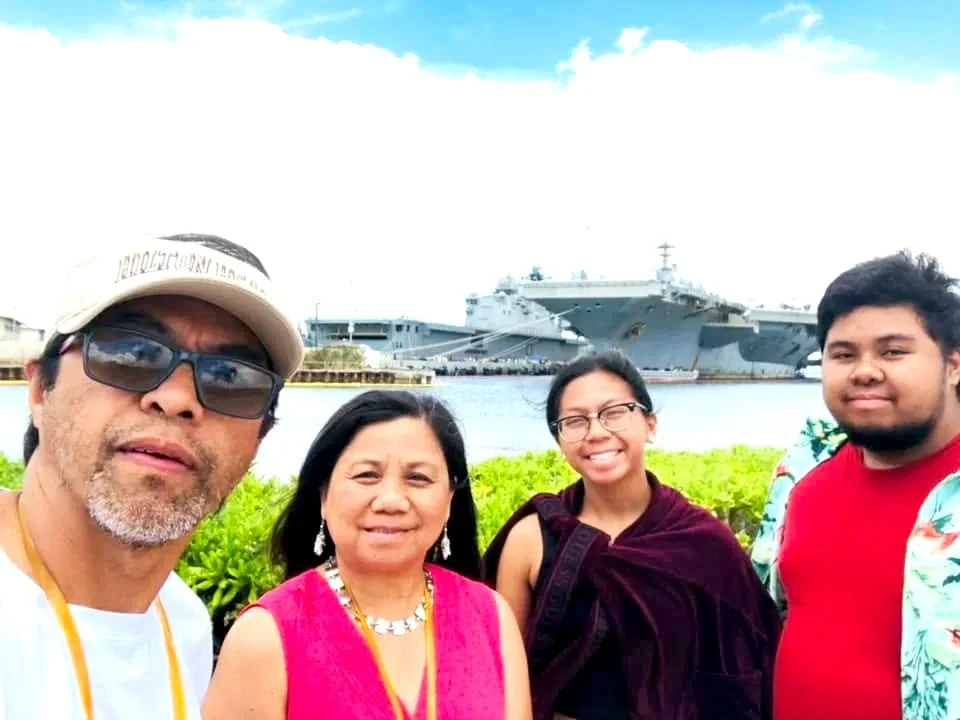
👣 The Footprint
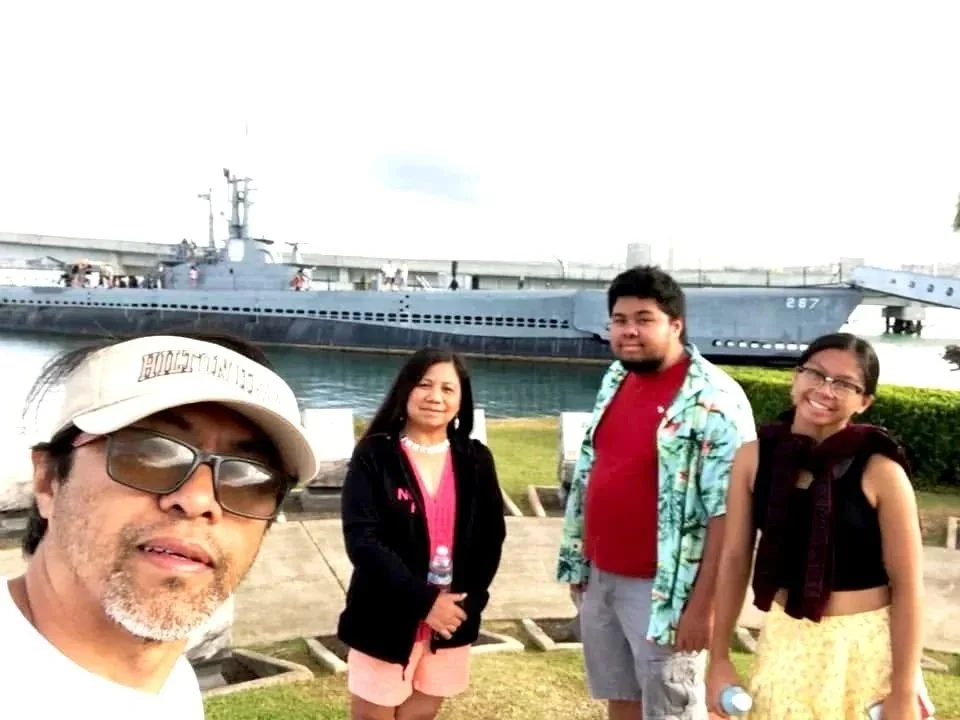
During our family trip to Oʻahu, Hawaii, one of our most meaningful stops took us away from the beaches, beautiful island views, and food adventures for a while.
We visited Pearl Harbor.
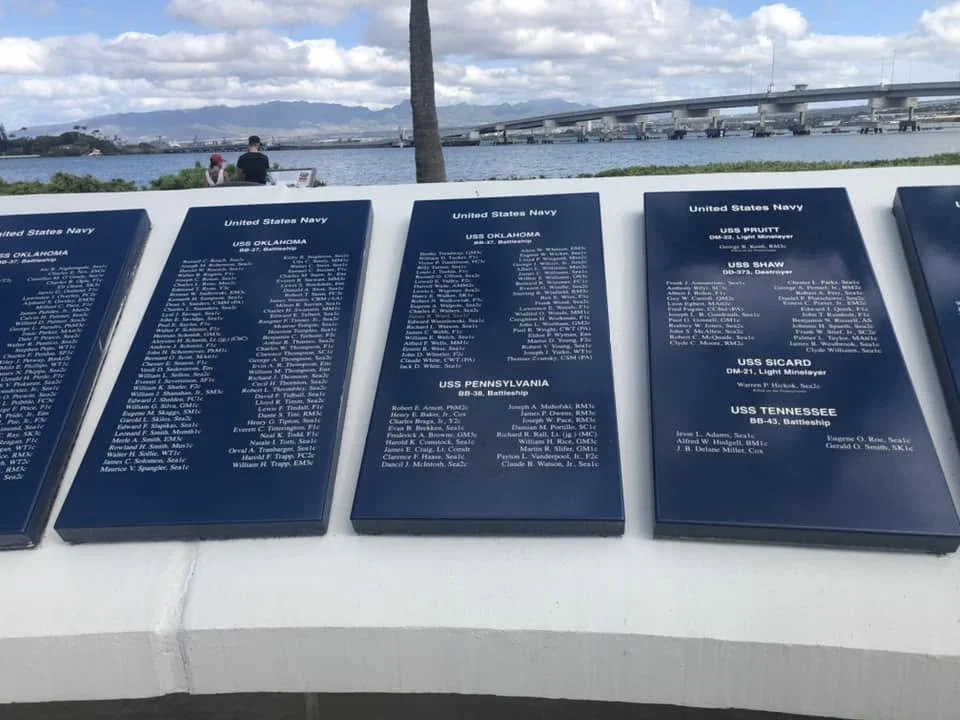
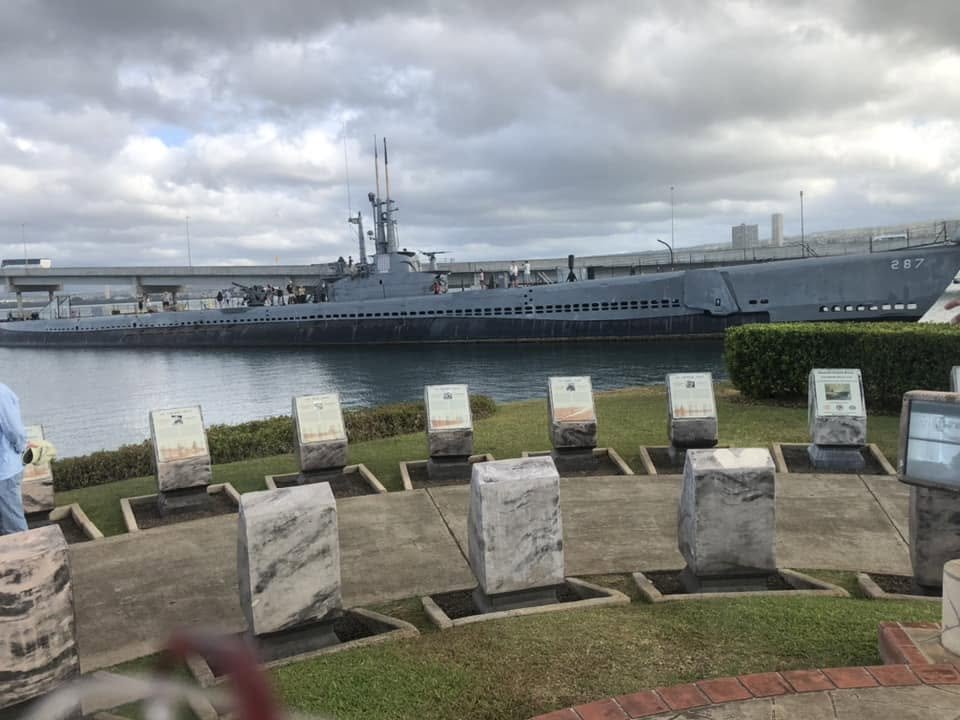
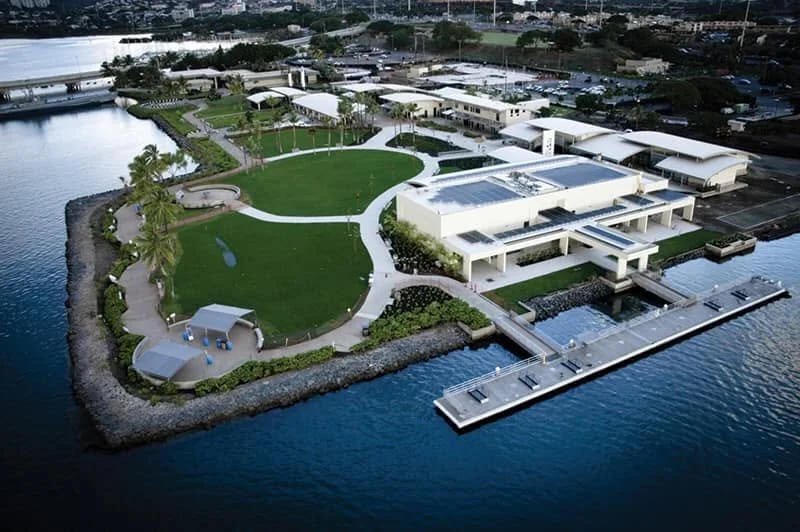
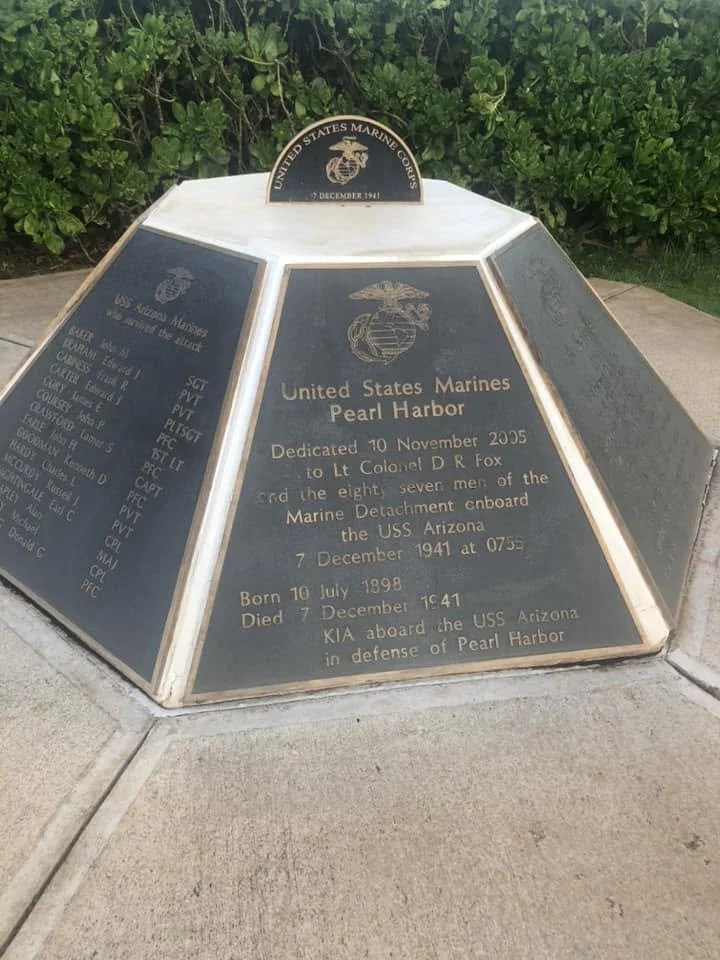
We walked through the historic grounds, explored the exhibits, followed the self-guided audio tour, studied the maps and photographs, and saw memorials honoring the people whose lives became forever connected to December 7, 1941.
At first, I thought of Pearl Harbor mainly as one of the most important places in American history.
But standing there as a Filipino-American family gave the experience another layer of meaning.
The more I learned, the more I realized that the story of Pearl Harbor didn't end in Hawaii.
Across the Pacific, it was also becoming part of the history of the Philippines.
🌺 Part of Our Oʻahu Journey
This historical footprint was one part of our family's Maui and Oʻahu adventure.
📍 The Journey
There is something different about visiting a place you've heard about in history books and actually standing where that history happened.
As we walked through Pearl Harbor, we stopped to read the displays rather than simply taking photographs and moving on.
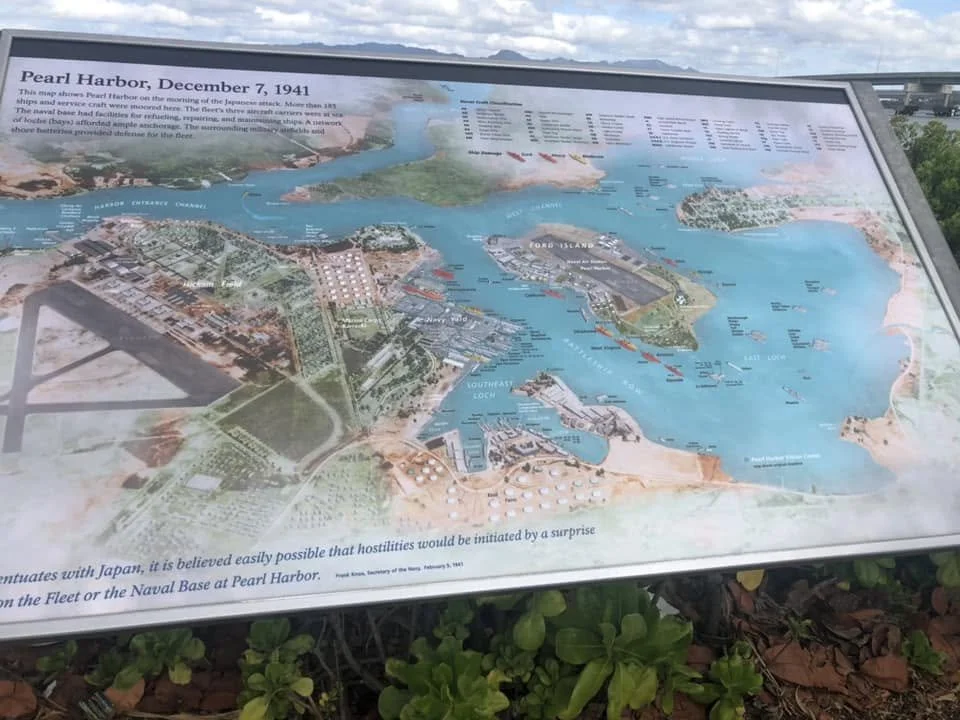
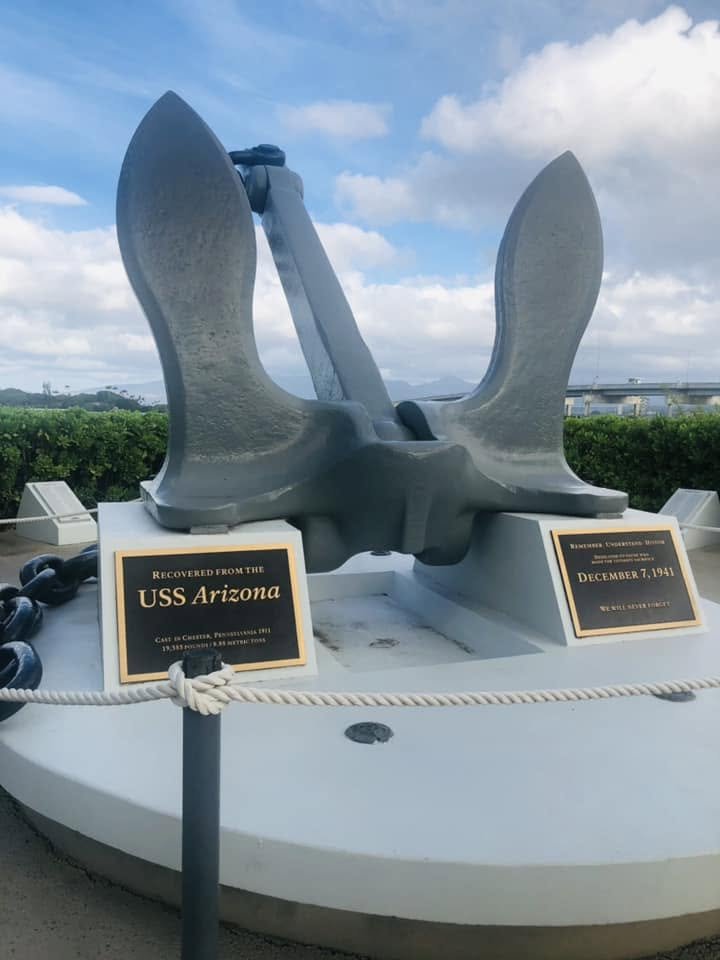
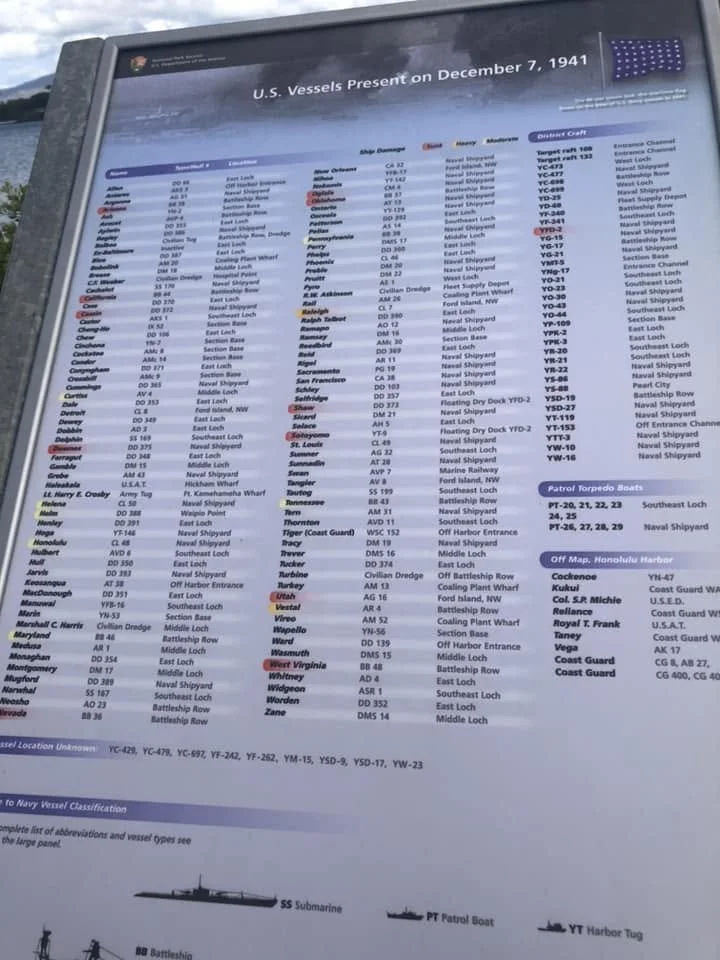
We saw maps showing Pearl Harbor as it looked on December 7, 1941. We saw the names of ships and servicemen. We stood beside the enormous USS Arizona anchor and visited memorials dedicated to those who lost their lives.
The harbor around us looked peaceful.
And yet, more than eight decades earlier, this same place had witnessed an event that changed the course of history.
On the morning of December 7, 1941, Japanese forces launched a surprise attack against Pearl Harbor and other military installations on Oʻahu. The attack killed 2,403 Americans and severely damaged the U.S. Pacific Fleet. The following day, the United States declared war on Japan and formally entered World War II.
💡 A Little More About This Place
For Americans, Pearl Harbor is remembered as December 7, 1941.
But because the Philippines lies across the International Date Line, it was already December 8 there.
And Pearl Harbor was not an isolated attack.
Japan was launching a much broader offensive across the Pacific. President Franklin Roosevelt's December 8 address to Congress specifically mentioned attacks not only on Hawaii, but also on the Philippine Islands, Guam, Wake Island, Midway, Hong Kong, and Malaya.
At the time, the Philippines was a Commonwealth of the United States and an important American military position in the Pacific.
News of Pearl Harbor reached U.S. military leadership in Manila during the early hours of December 8. Hours later, Japanese aircraft attacked Clark Field in Luzon, destroying much of the American air power stationed there.
What had begun across the ocean was suddenly reaching the Philippines.
The War Comes to the Philippines
What followed became one of the most painful chapters in Philippine history.
Filipino and American forces fought together as Japanese forces advanced through the islands. The defense eventually centered on Bataan and Corregidor, where troops continued resisting under increasingly desperate conditions.
Bataan fell on April 9, 1942.
After the surrender, tens of thousands of Filipino and American prisoners were forced on what became known as the Bataan Death March. U.S. Army historical accounts estimate that thousands died during the ordeal, with Filipino deaths far exceeding American losses.
The Philippines would endure years of occupation, resistance, destruction, and tremendous loss before liberation.
And suddenly, standing at Pearl Harbor felt different to me.
Hawaii and the Philippines weren't separate stories.
They were separated by thousands of miles of ocean, but they had become connected by the same war.
❤️ What Made This Footprint Special
Looking back at our photos, I'm especially glad we took the time to slow down and learn while we were there.
We listened.
We read the names.
We looked at the ships, maps, photographs, and memorials.
And we stood beside waters that seemed incredibly peaceful considering everything that had happened there.
As a family with Filipino roots living in America, there was something particularly meaningful about realizing that this place connected two histories that are also part of our own family's world.
That's one of the things I've come to appreciate about traveling.
Sometimes we visit a place because it's beautiful.
Sometimes we go because it's famous.
But every once in a while, we visit somewhere that teaches us something—not only about the place we're standing in, but also about where we came from.
👣 A Footprint to Remember
Our Hawaii adventure gave us beaches, sunsets, beautiful scenery, delicious food, and plenty of family adventures.
Pearl Harbor gave us something different.
Perspective.
It reminded me that travel isn't only about seeing where the world is today.
Sometimes it's about standing quietly in a place and remembering what happened there, who came before us, and how one moment in history can reach far beyond its shores.
For our family, Pearl Harbor became a place where American history and Philippine history met across the Pacific.
One place. Two histories. And generations of stories connected by the same ocean. 🇺🇸🇵🇭
Pearl Harbor, Oʻahu — a footprint of history, remembrance, and connection. 👣❤️
— Emie
Continue the Journey →
This historical footprint was only one part of our Hawaii adventure.
👣 Continue with our Maui & Oʻahu Journey →
Thanks for walking this footprint with me. More journeys are waiting to be shared. 👣❤️
📚 Learn More About the History
For readers who would like to explore the history behind this footprint further, here are a few trusted resources about Pearl Harbor, World War II, and the Philippines:
Pearl Harbor National Memorial — National Park Service
U.S. Army Center of Military History — The Philippines Campaign
The National WWII Museum — Pearl Harbor and the War in the Pacific
